Water Damage Inspection west valley city UT that finds hidden leaks fast
Moisture mapping, thermal imaging, and a written scope in one visit
Water Damage Inspection west valley city UT is the fastest way to find out whether that damp spot, musty smell, or rising water bill is a small fix or a growing problem. We inspect basements, crawlspaces, and wall cavities across Salt Lake County with moisture meters and thermal cameras, then hand you a clear water damage assessment west valley city report you can use for repairs or an insurance claim.
What a Water Damage Inspection west valley city UT actually covers
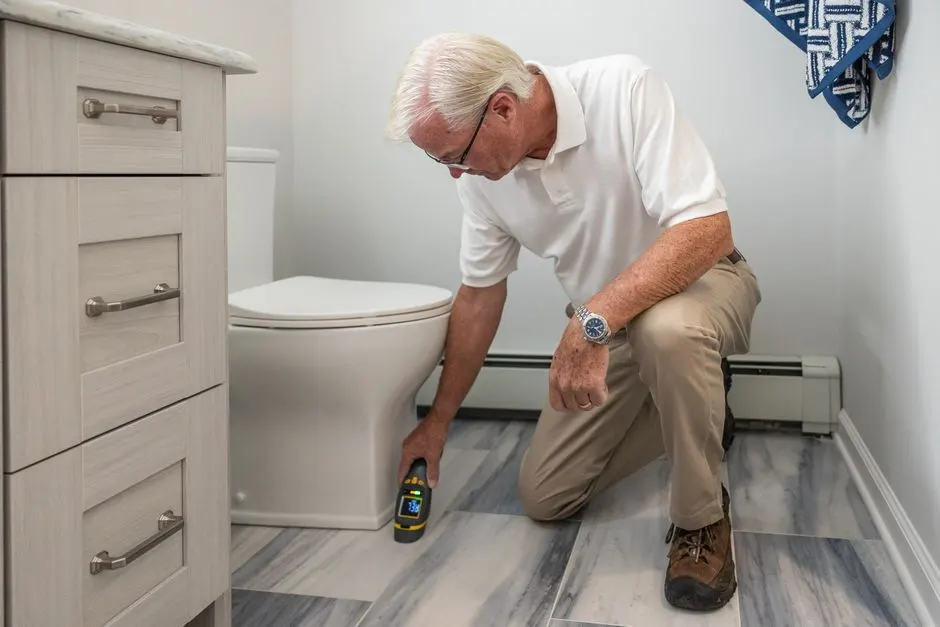
Water Damage Inspection west valley city UT is a documented, instrument-based evaluation of where moisture is, how far it has traveled, and whether materials can be dried in place or need removal. We start at the source, then trace the path: a burst pipe behind a kitchen wall, a slab leak under tile, a sump pump failure in a finished basement, or groundwater intrusion along a foundation wall. Moisture meters, thermal imaging cameras, and a hygrometer give us numbers instead of guesses.
Most homes we inspect in west valley city were built between the 1950s and the 2000s, and that range matters. Older Granger and Hunter houses often have galvanized supply lines and cast iron drains near the end of their service life, while newer builds in Fairbourne and Highbury tend to fail at appliance connections and window wells. If you have been searching for a water damage inspection near me west valley city, we can usually be on site the same day and tell you within two hours whether drying equipment is needed.
Why west valley city homeowners book an inspection first
An inspection costs far less than tearing out drywall to find a leak by hand. Here is what you get when we walk your property with meters and cameras instead of a flashlight.
Find leaks without demolition
Thermal imaging and a boroscope inspection camera let us see behind finished walls and under floors before anyone picks up a saw. On a typical 1,500 square foot home we can map the wet zone in 45 to 90 minutes, which means you repair one wall instead of three.
Numbers your insurer accepts
Carriers want readings, photos, and a cause of loss, not a verbal guess. We log moisture content percentages, humidity levels, and affected square footage in an Xactimate-compatible format, so your water damage assessment for insurance west valley city UT claim moves through review instead of bouncing back for more documentation.
Stop mold before day three
Mold growth can begin on wet drywall and insulation within 48 to 72 hours. Catching a slow supply-line drip or a water heater leak during an inspection keeps the job in the drying phase, where air movers and dehumidifiers handle it, rather than the remediation phase where materials come out.
Know your real repair scope
You get a written summary the same day: what is wet, what is salvageable, what needs removal, and what it will take to dry. That turns a vague worry into a decision you can make with your contractor, your adjuster, or your own two hands.
How our inspection process works
Five steps, one visit, and a written report the same day. Here is exactly what happens from the moment you call until the moment you know your next move.
Phone triage
We ask four questions: where you see or smell water, when it started, whether the water is clean or contaminated, and whether anyone in the home has health concerns. That call takes about 10 minutes and tells us which tools to load, from a portable water extraction unit to a negative air machine for sewage backup calls.
On-site walkthrough
A technician walks the property with you and asks what changed: a higher water bill, a soft spot near the toilet, a stain that keeps coming back. We check the water heater, supply lines, sump pump, window wells, and roof penetrations. Expect 20 to 40 minutes before instruments come out.
Instrument testing
We take baseline readings with a moisture meter and hygrometer, then scan walls, ceilings, and floors with a thermal imaging camera. A boroscope inspection camera confirms what is happening inside a wall cavity. This is the step that separates a real water damage evaluation west valley city from a visual once-over.
Moisture mapping
We sketch the affected area and mark dry standard versus wet zones, room by room. You see the map before we leave. If drying is needed, we size the equipment on the spot: how many air movers, how many dehumidifiers, and where they go to hit the ANSI/IICRC S500 drying goals.
Written report and plan
You get photos, readings, cause of loss, and a recommended scope, usually within two to four hours of the visit. If you want us to handle the drying or repairs, we schedule it before we leave the driveway. If you are filing a claim, we send the documentation straight to your adjuster.
Local inspection experience you can lean on
Our technicians hold IICRC Water Restoration Technician (WRT) and Applied Structural Drying (ASD) certifications, and we work to the ANSI/IICRC S500 Standard on every job. That means we read moisture the same way an adjuster does and document it the same way. We have inspected everything from 1940s Granger bungalows with original cast iron to new Stonebridge builds with PEX manifolds, and we know where each one tends to fail. We are a Utah Division of Professional Licensing (DOPL) licensed contractor and an EPA Lead-Safe Certified Firm, which matters in older west valley city homes where disturbing painted surfaces is part of the repair.
- IICRC WRT and ASD certified technicians on every inspection
- ANSI/IICRC S500 drying standards used for all moisture mapping
- EPA Lead-Safe Certified Firm for pre-1978 west valley city housing stock
- Thermal imaging, hygrometer, and boroscope readings logged on site
- Xactimate-compatible documentation prepared for insurance review
Why west valley city calls us for Water Damage Inspection
We are not a franchise call center. We are a local crew that inspects, dries, and repairs the same properties, so the person who finds the leak is the person who can fix it.
Same-day appointments
Call before 2 p.m. and we can usually be at your door the same afternoon. For active water, we treat it as urgent and move you to the front of the schedule, because a same day water damage inspection west valley city visit at hour two is worth more than a perfect one at hour forty-eight.
Documentation that holds up
Every inspection includes photos, moisture percentages, a floor sketch, and a cause-of-loss statement. Adjusters accept our reports because the format matches what they already use, and because the readings come from calibrated instruments rather than a visual estimate.
One crew from inspection to repair
If drying or repairs are needed, the same team that mapped your moisture can set the equipment and handle the rebuild. That removes the gap where a leak gets found on Monday and the repair crew shows up two weeks later, which is when mold usually takes hold.
Straight answers on cost
We quote the inspection fee before we arrive and tell you what the drying or repair would add if it is needed. No surprise line items, no pressure to authorize work on the spot. You decide after you read the report, and we are fine with that.
What is included in the inspection
A standard inspection covers the full moisture picture of your home plus the documentation to act on it. Drying equipment, repairs, and mold remediation are separate scopes we quote only if the readings call for them, so you are never paying for work you do not need.
What's Included
Full moisture survey
We test every room at risk: basement, crawlspace, laundry, kitchen, bathrooms, and any wall sharing plumbing. Readings are taken at multiple heights on each wall because water wicks upward and a baseboard reading alone can miss a wet band 18 inches higher.
Thermal and boroscope imaging
A thermal imaging camera shows temperature differences that reveal hidden moisture, and a boroscope inspection camera confirms what is inside the cavity. Together they let us identify a slab leak or a failed shower pan seal without cutting open the floor.
Source and cause identification
Finding wet drywall is easy. Finding why it is wet is the job. We trace the water back to a burst pipe, frozen pipe, appliance leak, roof leak, or groundwater intrusion, and we tell you plainly which one it is and what it will take to stop it.
Written report with photos
You receive a same-day summary with moisture readings, affected square footage, photos, and a recommended scope. It is formatted for insurance submission and clear enough that a plumber or general contractor can bid from it without a second visit.
Drying plan if needed
When readings show active moisture, we size the drying system on site: air movers, dehumidifiers, and where each unit goes. You get a day-by-day drying timeline with target readings, so you know when the job is actually finished rather than just dry to the touch.
Problems a professional water damage inspection west valley city Utah solves
Most water damage we find in west valley city started small and stayed hidden. These are the four calls we get most often, and what happens when they are ignored.
Musty smell with no visible water
A persistent odor usually means mold growth inside a wall or under carpet, and it will keep spreading as long as the moisture source stays active. By the time you see a stain, the cavity behind it has often been wet for weeks.
We use thermal imaging and a moisture meter to locate the wet zone, then a boroscope to confirm mold or saturation inside the cavity. You get the exact location, the moisture percentage, and a scope for drying or remediation before the problem reaches the ceiling below.
High water bill with no obvious leak
A slab leak or a failed supply line can push a west valley city water bill up by $80 to $200 a month while doing slow damage to flooring and subfloor. Left alone, it undermines the slab and can cost thousands in structural repair.
We isolate the system room by room, check the water heater and appliance connections, and use moisture readings to narrow the leak to a specific area. If it points to a slab leak, we document it clearly so your plumber can go straight to the right spot.
Basement flooding after snowmelt or rain
Spring snowmelt and summer thunderstorms send water against foundation walls across west valley city. Window well flooding and sump pump failure turn a dry basement into a wet one in under an hour, and standing water wicks into drywall and insulation fast.
We inspect the foundation perimeter, window wells, and sump pit, then map how far water has traveled inside. If the basement is actively wet, we can move straight into extraction and drying with truck-mounted or portable units, and we document everything for your claim.
Water heater or appliance leak
A slow drip from a water heater, washing machine, or dishwasher connection can saturate a subfloor and hardwood flooring for months before it shows on the surface. By then the flooring often has to come out instead of being dried in place.
We check every appliance connection, test the pan and drain line, and take moisture readings around the base of each unit. If the subfloor is wet, we outline a drying plan with air movers and a dehumidifier and tell you honestly whether the flooring can be saved.
When to schedule a water damage assessment west valley city
You are buying a home in Granger or Hunter and the disclosure mentions a past leak.
We inspect the reported area and the surrounding rooms, take moisture readings, and check for hidden mold or ongoing moisture. You get a written opinion on whether the repair was done properly or whether moisture is still active behind the finish.
You negotiate from facts instead of hoping. If the repair is sound, you close with confidence. If it is not, you have documentation to request a credit or a second repair.
Your basement flooded last spring and you dried it with fans and a shop vac.
We re-test the walls, baseboards, and subfloor with a moisture meter and thermal camera to see whether the DIY dry-out actually reached the dry standard. Basements often look and feel dry while the bottom plate and insulation stay above 16 percent moisture content.
You find out whether the space is truly dry or quietly growing mold. If readings are high, we scope a proper dry-out before the damage spreads to the finished space upstairs.
You had a burst pipe or frozen pipe repaired by a plumber and want to know if the wall dried out.
We inspect the repair area and trace moisture into adjacent rooms and the ceiling below. A pipe that burst inside a wall can soak insulation and framing several feet away from where the plumber was working.
You confirm the cavity is dry and get a written record for your insurance file. If it is still wet, we set drying equipment before mold has a chance to colonize.
You are filing an insurance claim and the adjuster asked for moisture documentation.
We perform a full inspection and produce a report with readings, photos, a floor sketch, and cause of loss in a format adjusters recognize. We can also communicate directly with your adjuster if questions come up during review.
Your claim moves forward with the evidence it needs instead of stalling on a request for more information, which is the most common reason water claims get delayed.
Tools and methods we use on every inspection
Tools & Equipment
Thermal imaging camera
Reveals temperature differences caused by evaporating moisture behind walls, under floors, and above ceilings. It lets us target the exact area to test instead of probing an entire wall.
Moisture meter and hygrometer
Give us numeric moisture content and relative humidity readings. These numbers establish the dry standard and tell us whether materials can be dried in place or need removal.
Boroscope inspection camera
Slides into a small drilled hole or existing gap to show us the inside of a wall cavity. We use it to confirm mold growth, insulation saturation, and the condition of framing.
Truck-mounted water extractor
Pulls standing water out of carpet, pad, and hard surfaces fast when a basement or main floor is actively flooded. It removes far more water than a shop vac before drying even begins.
Dri-Eaz and Phoenix dehumidifiers
Low-grain refrigerant and desiccant units that pull moisture out of the air so wet materials can release it. We size them by cubic footage and current humidity readings.
Negative air machine and HEPA air scrubber
Contain dust and spores when an inspection turns into remediation, especially on sewage backup or mold jobs where air quality control matters.
Methods & Techniques
ANSI/IICRC S500 Standard
The industry standard for water damage restoration defines how we classify water, set drying goals, and verify completion. We follow it on every inspection so our readings and recommendations match what insurers and other contractors expect to see.
Moisture mapping and dry standard comparison
We take unaffected reference readings in a dry part of the home, then compare every wet area against that baseline. This turns a subjective judgment into a measurable target and gives you a clear finish line for drying.
Hydrostatic test pump
When we suspect a slab leak or a break in a drain line under the floor, a hydrostatic test pressurizes the system to confirm whether it holds. It is the difference between guessing and knowing before anyone breaks concrete.
Xactimate-compatible documentation
Our reports use the same line-item structure insurers already work in. That means your adjuster can process the scope without translating it, which shortens the gap between inspection and approved repair.
How Water Damage Inspection west valley city UT runs in our area
West Valley City sits on the west bench of Salt Lake County, and that geography shapes almost every inspection we run. Homes in Granger, Hunter, and West Valley City Center were largely built between the 1950s and 1990s, so we regularly find galvanized supply lines, cast iron drains, and original clay sewer laterals. Those materials fail differently than modern PEX and PVC: they corrode from the inside, weep at joints, and often leak for weeks before a stain appears. Newer neighborhoods like Fairbourne, Highbury, and Stonebridge fail more often at appliance connections, window wells, and sump pumps. Winter brings frozen pipe and ice dam calls, spring snowmelt pushes groundwater against foundation walls, and summer thunderstorms test every window well and floor drain. If you need a water damage inspection company west valley city 24/7, we work those calls year-round and carry the extraction and drying equipment to handle whatever the readings show. We serve ZIP codes 84119, 84120, and 84128 most often, with regular calls in 84118 and 84125 as well.
Service Areas
Older housing stock with galvanized supply lines and original cast iron drains. We inspect for corrosion-related weeping at joints and check basement walls after every snowmelt season.
Many homes here have finished basements with sump pits. We test the pump, check the discharge line, and look for groundwater staining along the foundation wall.
Newer construction where appliance connections and window wells are the most common failure points. We check supply hoses, shutoff valves, and window well drains on every visit.
A mix of commercial and residential properties. We inspect both, and commercial calls often involve larger floor areas and rooftop HVAC condensate lines.
Homes near the golf course and open ground see more groundwater movement in spring. We pay close attention to foundation walls and lower-level flooring.
Local Considerations
Hard water and older galvanized plumbing
Mineral buildup accelerates corrosion from the inside, so leaks often start as a slow weep that never shows on the surface. We test at multiple heights on each wall to catch moisture that has wicked upward.
Winter freeze-thaw cycles
Pipes in exterior walls and unheated crawlspaces are at risk from December through February. A frozen pipe that splits may not leak until it thaws, which is why we inspect after cold snaps even when nothing looks wet.
Spring snowmelt and high groundwater
Water pushes against foundation walls and window wells from March through May. We check sump pumps, floor drains, and foundation seals before the ground fully saturates.
Summer monsoon storms
Heavy rain in July and August overwhelms window well drains and roof drainage. We inspect roof penetrations, gutters, and window wells for signs of overflow into the structure.
Hidden slab leak under kitchen tile
A Hunter homeowner noticed warm spots on the kitchen floor and a water bill that jumped $120 in one month. No visible water, no stain. A plumber suspected a slab leak but could not pinpoint it without breaking tile.
Our thermal imaging and moisture readings narrowed the leak to a 4-foot section under the sink cabinet. We documented it with photos and readings, and the plumber repaired one small area instead of the entire floor. Moisture content dropped from 24 percent to 9 percent after drying.
Maintenance & Follow-up
We recommended checking the water bill monthly and re-testing the repaired area after 30 days. A $25 moisture meter from any hardware store lets you spot a recurrence early.
A finished basement in Fairbourne took on about 2 inches of water overnight when the sump pump failed during a spring storm. Carpet, pad, and the bottom 12 inches of drywall were saturated, and the homeowner had already pulled up the carpet.
We extracted standing water with a truck-mounted unit, removed the wet drywall, and set air movers and a Dri-Eaz dehumidifier. The basement reached dry standard in four days, and the rebuild was limited to baseboard and paint instead of a full wall replacement.
Maintenance & Follow-up
Test your sump pump every two months by pouring a bucket of water into the pit. Replace the backup battery annually, and keep the discharge line clear of ice in winter.
A West Valley City Center homeowner found a small puddle near the water heater and assumed it was condensation. Three months later the hardwood flooring started cupping. Moisture readings around the base of the tank showed 28 percent in the subfloor.
We mapped the wet zone, set drying equipment for five days, and brought the subfloor back to 11 percent. The hardwood was saved with minimal refinishing instead of full replacement, which would have run several thousand dollars.
Maintenance & Follow-up
Check the water heater pan and T&P valve every six months. If you see any moisture around the base, call for an inspection before the subfloor absorbs it.
What Water Damage Inspection costs in 2026
Typical 2026 pricing for a residential water damage inspection in west valley city runs $150 to $450 depending on home size and how many areas need testing. Commercial properties and multi-unit buildings run higher because there is more square footage to map. The inspection fee covers the on-site visit, instrument testing, and your written report. If drying or repairs are needed, we quote that separately after you see the readings, so you are never paying for work the inspection did not justify.
Pricing Factors
Home size and layout
A 1,200 square foot ranch takes less time to map than a 3,000 square foot two-story with a finished basement. More rooms and more plumbing runs mean more readings and a longer visit.
Number of affected areas
A single wet wall is a quick inspection. Water that has traveled from an upstairs bathroom into a ceiling and down to a basement adds testing time and documentation at each level.
Water category
Clean water from a supply line is straightforward. Sewage backup or groundwater intrusion requires protective equipment and more careful documentation, which adds time and cost to the visit.
Accessibility
Crawlspaces, sealed wall cavities, and finished ceilings slow the inspection down. If we need to make a small access hole for the boroscope, that is included in the fee.
Insurance documentation needs
A basic report is included. If your carrier needs additional photos, a detailed floor sketch, or direct communication with the adjuster, tell us upfront so we can build the file correctly the first time.
Typical Investment Range
$150 - $450 for most residential inspections
Actual pricing varies based on project scope and requirements
Value You Receive
An inspection costs a fraction of what exploratory demolition runs, and it gives your insurer the documentation a claim needs. Finding one hidden leak early typically saves thousands in drying, mold remediation, and flooring replacement.
Frequently Asked Questions
Have questions? We have answers. If you don't see your question here, feel free to contact us.
Call UsHow much does Water Damage Inspection cost in west valley city?
Most residential inspections in west valley city run $150 to $450 in 2026, depending on home size and how many areas need testing. Commercial and multi-unit properties cost more because there is more square footage to map. The fee includes the on-site visit, instrument testing, and your written report. Drying or repairs are quoted separately only if the readings show they are needed.
What does a water damage inspection include in west valley city UT?
A full inspection includes a room-by-room moisture survey with a moisture meter and hygrometer, thermal imaging of walls and floors, and boroscope confirmation inside any suspect cavity. We identify the water source, map the affected area, and give you a same-day written report with photos and readings. If drying is needed, we size the equipment and outline a day-by-day plan before we leave.
Do I need a water damage inspection in west valley city Utah?
You need one if you smell mustiness, see a stain that keeps returning, notice a soft spot in flooring, or your water bill jumped without explanation. You also need one after any burst pipe, appliance leak, or basement flood, even if the surface looks dry. Hidden moisture above 16 percent feeds mold within 48 to 72 hours, and a $150 to $450 inspection is far cheaper than remediation.
How long does a water damage inspection take in west valley city?
A typical single-family inspection takes 60 to 120 minutes on site, including instrument testing and moisture mapping. Larger homes with finished basements or multiple affected areas can run closer to three hours. You get the written report the same day, usually within two to four hours of the visit, so you are not waiting overnight to know your next step.
Credentials and reviews
Certifications
Customer Reviews
They found a slab leak under our kitchen that two other people missed. The thermal camera showed it in about ten minutes. We got a written report the same afternoon and our insurance accepted it without any back and forth. Worth every penny.
Our basement flooded when the sump pump died during a storm. They came out the same day, extracted the water, and had drying equipment running that night. Four days later everything was dry and they showed us the readings to prove it.
I called about a musty smell in the hallway that I could not figure out. They inspected the whole house, found moisture behind the bathroom wall, and explained exactly what needed to happen. No pressure, no upselling, just clear answers and a fair price.
Related Services
Explore our other professional services
Emergency Water Removal
When the inspection confirms standing water, we extract it with a truck-mounted or portable unit the same visit. Fast removal limits how far moisture wicks into drywall and subfloor, which keeps the repair scope smaller and the drying timeline shorter.
Emergency Water RemovalWater Damage Cleanup
Inspection tells us what is wet; cleanup removes what cannot be saved. We pull saturated carpet, pad, and drywall, apply antimicrobial solution where needed, and prepare the structure for drying so mold does not get a foothold.
Water Damage CleanupFlood Damage Restoration
For basement flooding and groundwater intrusion, the inspection maps the path water took. Restoration then handles extraction, drying, and rebuild as one scope, which is faster than coordinating three separate contractors.
Flood Damage RestorationWater Extraction
Extraction is the first physical step after an inspection confirms standing water. We use truck-mounted units for large volumes and portable units for tight spaces like closets and crawlspaces, then verify with moisture readings.
Water ExtractionStructural Drying
Once the inspection sets a dry standard, structural drying uses air movers and dehumidifiers to reach it. We monitor readings daily and adjust equipment placement until materials hit target moisture content.
Structural DryingWater Damage Mitigation
Mitigation stops the damage from spreading while repairs are planned. After an inspection identifies the source, we isolate the wet zone with polyethylene sheeting and control airflow to protect the dry areas of your home.
Water Damage MitigationResidential Water Damage Restoration
Most of our inspections are residential, from Granger bungalows to newer Fairbourne builds. When the report calls for restoration, we handle drywall, flooring, and paint so your home returns to pre-loss condition.
Residential Water Damage RestorationCommercial Water Damage Restoration
Commercial inspections cover larger floor areas, rooftop HVAC condensate lines, and after-hours access needs. We document the scope for property managers and can phase the work to keep your business open.
Commercial Water Damage RestorationBasement Water Damage Restoration
Basements are where most west valley city water damage ends up. An inspection checks the foundation wall, sump pit, and floor drain, then restoration dries and repairs the finished space if water got in.
Basement Water Damage RestorationBasement Flood Cleanup
After a flood, the inspection tells us how high the water reached. Cleanup then removes debris, extracts standing water, and sanitizes surfaces before drying begins, which is critical when the water came through a sewer line.
Basement Flood CleanupFrozen Pipe Water Damage Restoration
Frozen pipes in exterior walls are a winter reality here. The inspection finds the split and traces where the water traveled after it thawed, then restoration repairs the pipe and dries the cavity.
Frozen Pipe Water Damage RestorationBurst Pipe Water Damage Restoration
A burst pipe can release hundreds of gallons before you shut the water off. We inspect the surrounding rooms and the ceiling below, then extract, dry, and repair the affected structure.
Burst Pipe Water Damage RestorationPlumbing Leak Water Damage Restoration
Slow plumbing leaks are the hardest to find and the most common cause of hidden mold. An inspection with thermal imaging pinpoints the leak, and restoration handles the repair and dry-out.
Plumbing Leak Water Damage RestorationWater Heater Leak Cleanup
Water heater leaks soak the pan, subfloor, and nearby flooring. We inspect the tank, T&P valve, and connections, then clean up and dry the area before the subfloor starts to cup or rot.
Water Heater Leak CleanupAppliance Leak Water Damage Restoration
Washing machines, dishwashers, and refrigerators fail at supply hoses and valves. The inspection checks every connection, and restoration dries the subfloor and cabinetry if water got underneath.
Appliance Leak Water Damage RestorationSpring Snowmelt Flood Cleanup
March through May, snowmelt pushes water against foundations across west valley city. We inspect window wells, floor drains, and foundation seals, then clean up and dry any water that made it inside.
Spring Snowmelt Flood CleanupGroundwater Intrusion Cleanup
Groundwater enters through foundation cracks and hydrostatic pressure. The inspection locates the entry point, and cleanup removes water, dries the space, and prepares the wall for sealant or epoxy injection resin repair.
Groundwater Intrusion CleanupFoundation Water Intrusion Restoration
When water comes through the foundation, the inspection documents the crack and the moisture path. Restoration then seals the entry and dries the interior so the repair actually holds.
Foundation Water Intrusion RestorationWindow Well Flood Cleanup
Window wells fill fast during summer storms. We inspect the drain, the well, and the wall below the window, then extract and dry any water that seeped into the basement.
Window Well Flood CleanupSump Pump Failure Water Cleanup
A failed sump pump is one of the most common causes of basement flooding here. The inspection tests the pump and discharge line, and cleanup handles the water that got in when it stopped working.
Sump Pump Failure Water CleanupIce Dam Water Damage Restoration
Ice dams force meltwater under shingles and into ceilings. An inspection traces the water from the roof to the interior stain, and restoration dries the attic and ceiling before mold develops.
Ice Dam Water Damage RestorationRoof Leak Water Damage Restoration
Roof leaks show up as ceiling stains far from the actual breach. We inspect the attic, insulation, and ceiling below, then dry and repair the affected area once the roof itself is patched.
Roof Leak Water Damage RestorationSewage Backup Cleanup
Sewage is category 3 water and requires protective equipment and disposal. The inspection documents the extent, and cleanup removes contaminated materials, sanitizes, and dries with HEPA filtration running.
Sewage Backup CleanupToilet Overflow Cleanup
An overflowing toilet can send water through the floor into the ceiling below. We inspect both levels, extract the water, and dry the subfloor and framing before the damage spreads.
Toilet Overflow CleanupDrywall Water Damage Restoration
Wet drywall loses strength fast and often has to be cut out. The inspection measures how high the moisture wicked, and restoration removes and replaces only what the readings say is unsalvageable.
Drywall Water Damage RestorationHardwood Floor Water Damage Restoration
Hardwood can sometimes be saved if drying starts within 24 to 48 hours. The inspection checks moisture content at the surface and subfloor, and restoration sets a drying plan to limit cupping and refinishing.
Hardwood Floor Water Damage RestorationMold Remediation
When an inspection finds mold, remediation follows with containment, HEPA air scrubbers, and safe removal of affected materials. We hold IICRC AMRT certification for mold work and document the clearance.
Mold RemediationMoisture Detection Services
Moisture detection is the core of every inspection: meters, thermal imaging, and hygrometer readings that turn a hunch into a number. It is how we find leaks that have not yet shown on the surface.
Moisture Detection ServicesWhat west valley city homeowners say
Real experiences from customers who chose our Water Damage Inspection services
"We had a water bill that jumped almost $150 and nobody could tell us why. West Valley RestorePro inspected the whole house, found a slab leak under the kitchen with the thermal camera, and documented it so our plumber knew exactly where to cut. The report saved us from breaking up the entire floor."
Marcus T.
Homeowner, Hunter
"Our sump pump failed during a spring storm and the finished basement had about two inches of water. They were here within a couple of hours, extracted everything, and set up dryers. Four days later the readings were back to normal and they showed me the numbers. The rebuild was just baseboard and paint."
Danielle R.
Homeowner, Fairbourne
"I manage several rental units and use them for inspections whenever a tenant reports a leak. They are consistent, they document everything properly, and the reports are formatted the way our insurance carrier wants them. That alone saves me hours of back and forth on every claim."
Kevin S.
Property Manager, West Valley City Center
Book your Water Damage Inspection west valley city UT today
If something in your home feels damp, smells musty, or does not add up, get it checked before it becomes a bigger repair. We are IICRC certified, licensed in Utah, and we document everything for your records or your claim. Call now and we will schedule your inspection, often the same day.