Moisture Detection Services west valley city UT stops hidden leaks fast
Thermal imaging and meter testing that finds water before mold does
Moisture Detection Services west valley city UT is the fastest way to find water hiding behind drywall, under hardwood, and inside your subfloor. We use thermal imaging cameras, pin-type moisture meters, and boroscope inspection cameras to map every wet pocket in your home. If you have smelled something musty since the last snowmelt or noticed a warped baseboard, call us at (385) 513-0450 and we will pinpoint the source today.
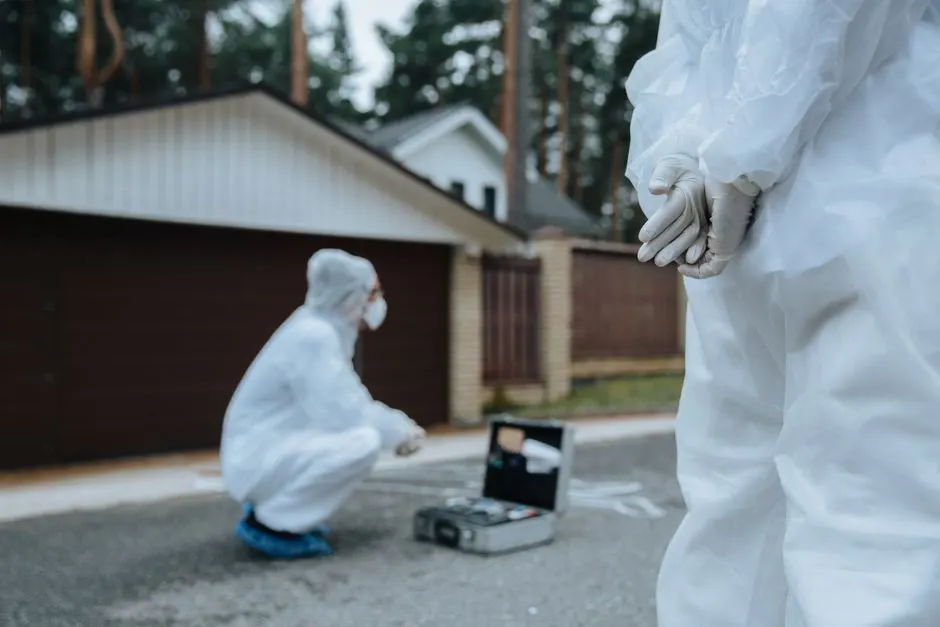
What Moisture Detection Services west valley city UT actually does
Moisture Detection Services west valley city UT is a diagnostic water-mapping service that locates hidden moisture inside walls, ceilings, floors, and crawlspaces without tearing your house apart. Our technicians read pin-type and pinless moisture meters against baseline dry readings, scan wall cavities with thermal imaging cameras, and slide a boroscope inspection camera behind baseboards to confirm what the meter suspects. We compare readings against the ANSI/IICRC S500 Standard so the numbers mean something, then mark every wet zone with tape so you can see the problem for yourself.
Most west valley city homeowners call us after a slab leak, a frozen pipe that thawed quietly, or a sump pump failure that left water under the carpet. Because our winters swing hard between freeze and thaw, water often enters through foundation leaks and window well flooding without ever showing on the surface. If you need moisture detection near me west valley city, we can usually be at your door the same day and tell you within an hour whether the moisture is active or leftover from an old event.
Why homeowners book moisture detection early
Finding water in the first 24 to 48 hours is the difference between a $400 drying job and a $9,000 rebuild. These are the outcomes our west valley city customers care about most.
Stop mold before it starts
Mold growth can begin within 24 to 48 hours of a water event, and west valley city basements stay humid enough to feed it. Our moisture inspection west valley city readings tell us exactly which cavities are wet, so we dry only what needs drying and skip the demolition. You get a written moisture map and a clear answer on whether remediation is needed.
Find leaks without demolition
We locate slab leaks, foundation leaks, and appliance leaks using thermal imaging and hygrometer readings instead of opening every wall. A typical detection visit takes 60 to 90 minutes and covers up to 2,000 square feet. That saves you hundreds in exploratory drywall repair and keeps your kitchen or laundry room usable while we work.
Protect your insurance claim
Adjusters want documented moisture readings, photos, and a clear cause of loss. We log meter values room by room, photograph thermal anomalies, and hand you a report formatted for Xactimate. That documentation is often the difference between a covered drying claim and a denied one, especially on burst pipe and water heater leak claims.
Catch the second leak
Water rarely travels in a straight line. It follows joists, soaks insulation, and pools 10 feet from the source. Our hidden moisture detection west valley city UT process traces that path with a boroscope inspection camera and a moisture meter, which is how we catch the slow drip behind the shower valve that a surface check would miss entirely.
How our moisture detection process works
Every visit follows the same five steps, whether you are dealing with a burst pipe, a roof leak, or a mystery smell you cannot place. Here is exactly what happens from the phone call to the final report.
Phone triage
You describe what you are seeing: a stain, a smell, a soft spot, a spike in the water bill. We ask about recent events like frozen pipe thawing or spring snowmelt, then schedule a same day moisture detection west valley city window, usually within 2 to 4 hours for active water.
Visual and thermal scan
We walk the property with a thermal imaging camera and note temperature differentials on walls, ceilings, and floors. A 15 to 20 degree spread between a wet cavity and dry drywall is a strong signal. This step takes 20 to 30 minutes on an average west valley city rambler.
Meter confirmation
Thermal hits get confirmed with a pin-type moisture meter and a hygrometer for relative humidity. We record readings against a dry baseline, typically under 16 percent wood moisture content, and mark anything above that with tape so you can see the wet zone.
Source tracing
We follow the moisture back to its origin using a boroscope inspection camera in wall cavities and under cabinets. Common findings include a failed supply line behind the fridge, a cracked shower pan, a foundation leak at the sill plate, or a sump pump failure that backed up during a storm.
Report and plan
You get a room-by-room moisture map, photos, and a written recommendation: dry only, dry plus antimicrobial solution, or full water damage mitigation. If drying is needed, we set air movers and a dehumidifier the same day and re-check readings every 24 hours until the structure is dry.
Why west valley city calls us for moisture detection
We are a local water damage restoration company, not a franchise call center. When you call (385) 513-0450, you reach technicians who have crawled the crawlspaces in your neighborhood and know how west valley city homes fail.
Same-day detection windows
Active water gets priority. We hold same day moisture detection west valley city appointments for burst pipe, water heater leak, and sump pump failure calls, and our average on-site arrival is 90 minutes during business hours. If you have standing water, we bring extraction equipment on the first trip so drying starts immediately.
Documentation that holds up
Every detection visit ends with meter readings, thermal photos, and a moisture map you can hand to your adjuster. We format reports for Xactimate, the same estimating platform most carriers use, which reduces back-and-forth and speeds up claim approval on covered events like frozen pipe water damage.
Certified drying standards
Our IICRC WRT and ASD certifications mean we dry to a documented standard, not by feel. We check wood moisture content and relative humidity every 24 hours and will not pull equipment until readings match a dry baseline. That protects you from a mold claim six months down the road.
Local building knowledge
West valley city sits on lake-bed soils that move with the freeze-thaw cycle, which is why foundation leaks and window well flooding show up here more than in foothill neighborhoods. We know which ZIP codes see groundwater intrusion after spring snowmelt and how to test for it before it reaches your finished basement.
What is included in a moisture detection visit
A standard visit covers the full diagnostic sweep of your home plus a written report. If we find active moisture, we can move straight into drying or water damage mitigation on the same trip, so you are not waiting another day for a second crew.
What's Included
Thermal imaging sweep
We scan every accessible wall, ceiling, and floor with a thermal imaging camera to find temperature anomalies that indicate trapped moisture. This covers finished basements, laundry rooms, bathrooms, and the areas around water heaters and appliances.
Meter and hygrometer readings
Pin-type and pinless moisture meters confirm what the camera suggests, and a hygrometer logs relative humidity in each room. You get numeric readings, not vague assurances, so you can track improvement if you decide to dry the space yourself.
Boroscope cavity inspection
Where walls are finished, we slide a boroscope inspection camera through outlet boxes and baseboard gaps to look inside the cavity. This is how we confirm wet insulation, stained drywall paper, and early mold growth without cutting a hole.
Moisture source tracing
We trace the water back to its entry point, whether that is a slab leak, a roof leak, a failed supply line, or groundwater intrusion at the foundation. Knowing the source is what stops the problem from returning after drying.
Written report and photos
You receive a room-by-room moisture map, thermal images, meter values, and a plain-language recommendation. The report is formatted for insurance use and includes the cause of loss, which adjusters ask for on water damage claims.
Same-day drying setup
If readings show active moisture, we can place air movers and a dehumidifier the same day. We use Dri-Eaz and Phoenix Restoration Equipment because the drying charts are predictable and the equipment holds up in Utah's dry air.
Hidden water problems we solve in west valley city
Most water damage we see in west valley city did not announce itself. It soaked into a subfloor, a wall cavity, or a crawlspace and sat there until the smell gave it away. Here are the problems our detection work solves.
Musty smell with no visible water
A persistent musty odor usually means mold is already colonizing wet drywall or insulation. Left alone, it spreads through the HVAC system and can trigger allergies and respiratory issues for your family.
We run a thermal scan and meter every wall in the affected area, then use a boroscope inspection camera to confirm mold growth behind the baseboard. Once we locate the moisture source, we dry the cavity and treat it with antimicrobial solution.
Water bill jumped with no obvious leak
A slab leak or a failed supply line can waste thousands of gallons before it surfaces. On a west valley city rambler, that water often wicks into the subfloor and warps hardwood before you see a drop.
Our water leak detection west valley city process isolates the line by zone, then confirms the leak point with meter readings and thermal imaging. We mark the location so your plumber can repair it without opening the whole floor.
Basement flooded after snowmelt
Spring snowmelt and heavy rain push groundwater against foundations that were never waterproofed. Water enters at the sill plate and soaks insulation, which then holds moisture against the wood framing for weeks.
We map the moisture path from the foundation wall inward, check the sump pump and window wells, and dry the affected framing with air movers and a dehumidifier. If the sump pump failed, we document that for your insurance claim.
Soft spot in the floor near the bathroom
A soft spot usually means a slow leak from a toilet seal, shower pan, or supply line has been feeding the subfloor for months. Ignoring it leads to rot, tile failure, and a repair bill that runs into the thousands.
We meter the subfloor from below where accessible, confirm the wet zone with thermal imaging, and trace the leak back to the fixture. Then we dry the framing and recommend the repair so the floor does not fail again.
When to book moisture inspection in west valley city
You had a frozen pipe thaw last winter and the wall feels cool to the touch.
We scan the wall with thermal imaging and confirm with a moisture meter whether the cavity is still wet. If it is, we dry it with air movers and a dehumidifier before mold has a chance to colonize the drywall paper.
You avoid a mold remediation bill and get written proof the wall is dry, which matters if you sell the home within a few years.
Your sump pump ran constantly during the last storm and the basement carpet feels damp.
We check the sump pump discharge, meter the carpet pad and subfloor, and trace any groundwater intrusion back to the foundation. If the pad is saturated, we remove it and dry the subfloor with a portable water extraction unit and air movers.
The basement dries in 2 to 3 days instead of weeks, and you get a clear answer on whether the sump pump needs replacement.
You are buying a home in Granger or Hunter and the inspection report flags a moisture stain.
We perform a moisture inspection after water damage in west valley city Utah or after a home inspection finding, metering the stained area and scanning the surrounding walls to determine whether the moisture is active or historic.
You know before closing whether you are buying a dry house or a future repair bill, which gives you leverage in negotiation.
Your water heater leaked overnight and you mopped it up, but the baseboard looks swollen.
We meter the baseboard, drywall, and subfloor around the water heater, then use a boroscope inspection camera to check the wall cavity. If moisture is trapped, we set drying equipment and treat the area with antimicrobial solution.
The swelling stops, the drywall does not need replacement, and you have documentation for a water heater leak claim.
Tools and methods we use to find moisture
Tools & Equipment
Thermal imaging camera
Detects temperature differences caused by evaporating moisture in walls, ceilings, and floors. We use it to scan large areas quickly and flag the zones that need meter confirmation.
Pin-type and pinless moisture meters
Measure wood moisture content and moisture percentage in drywall and subfloor. Readings above 16 percent on wood indicate active moisture that needs drying.
Hygrometer
Logs relative humidity and temperature in each room so we can calculate whether the structure is drying at the expected rate or stalling out.
Boroscope inspection camera
Slides behind baseboards and through outlet boxes to visually confirm wet insulation, stained drywall paper, and early mold growth without demolition.
Truck-mounted water extractor
Pulls standing water out of carpet, pad, and hard flooring when detection turns into an active water removal job on the same visit.
Dri-Eaz and Phoenix dehumidifiers
Remove moisture from the air once the wet materials are exposed. We size the unit to the room volume so drying stays on schedule.
Hydrostatic test pump
Confirms slab leaks and sewer line breaks by isolating a section of pipe and pressurizing it. This is how we prove a leak is under the slab rather than in the walls.
Methods & Techniques
ANSI/IICRC S500 Standard
The industry standard for water damage restoration defines how we classify water, document moisture, and verify drying. We follow it so your readings and our report hold up with any insurance adjuster.
Zone-by-zone moisture mapping
We divide the home into zones and meter each one against a dry baseline. This prevents the common mistake of drying one room while a wet cavity behind an adjacent wall keeps feeding humidity back into the space.
Thermal-first, meter-confirmed protocol
Thermal imaging finds candidates fast, but we never call a wall wet on thermal alone. Every flagged zone gets a meter reading and, where needed, a boroscope look before we recommend drying or demolition.
Daily drying verification
Once drying equipment is running, we return every 24 hours to log moisture content and relative humidity. Equipment comes out only when readings match a dry standard, which is usually 3 to 5 days for a typical west valley city basement.
How moisture detection runs in west valley city
West valley city sits on the eastern edge of the Salt Lake Valley, where lake-bed soils and a hard freeze-thaw cycle work against your foundation every winter. Water enters through foundation leaks, window well flooding, and failed sump pumps more often here than in the foothill neighborhoods to the east. Much of the housing stock dates from the 1950s through the 1980s, which means galvanized supply lines, cast iron drains, and original basement waterproofing that has long since failed. When we run moisture testing west valley city Utah, we pay extra attention to the sill plate, the crawlspace, and the wall cavities below grade, because that is where groundwater intrusion shows up first. Spring snowmelt is the busiest season for us, followed by the January freeze events that crack supply lines in unheated garages. If you need a moisture detection company west valley city 24/7, we answer the phone after hours for active water and can usually be on site within a few hours. We serve ZIP codes 84119, 84120, 84128, and 84118 most often, and we know which streets drain poorly after a heavy rain.
Service Areas
Older ramblers with original galvanized plumbing and finished basements. We see slab leaks and foundation seepage here more than anywhere else in the city.
A mix of 1970s builds and newer construction. The older homes have cast iron drains that crack, and the newer ones often have sump pumps that fail during spring runoff.
Townhome and condo clusters where a leak in one unit often migrates through shared walls. We scan both sides of a common wall to find the true source.
Newer builds with PEX supply lines and finished basements. Appliance leaks and water heater failures are the most common calls here.
Larger lots with mature landscaping and irrigation systems. Root intrusion into sewer lines and irrigation leaks near the foundation are common findings.
Local Considerations
Freeze-thaw cycles from December through March
Supply lines in exterior walls and unheated garages freeze, then crack when they thaw. The leak often runs for hours before anyone notices, soaking insulation and drywall.
Spring snowmelt runoff in April and May
Groundwater rises against foundations and overwhelms sump pumps. We see a spike in basement flooding and window well flooding during this window every year.
Lake-bed clay soils that hold water
Water does not drain quickly, so it sits against the foundation and wicks into the sill plate. Moisture readings below grade stay elevated for weeks after a storm.
Aging cast iron and galvanized plumbing
Pipes in pre-1980 homes corrode from the inside and fail without warning. Moisture detection often finds the leak before the pipe fully ruptures.
Frozen pipe behind a laundry room wall
A Hunter homeowner noticed a cool spot on the laundry room wall in February but no visible water. The drywall paper looked slightly stained, and the room smelled musty. A surface check with a handheld meter read dry.
Our thermal scan flagged a 12-foot wet zone in the wall cavity. Meter readings hit 28 percent wood moisture content on the bottom plate. We removed a 2-foot section of drywall, dried the framing with air movers and a dehumidifier for 3 days, and readings returned to 11 percent.
Maintenance & Follow-up
We recommended insulating the exterior wall cavity and adding a smart leak sensor near the supply line. Both are inexpensive steps that catch the next freeze event before it soaks the wall.
A Granger family saw their water bill double over two months with no visible leak. The kitchen tile felt warm in one spot, and the hardwood in the adjacent dining room had started to cup at the seams.
We isolated the supply line with a hydrostatic test pump and confirmed the leak under the slab with thermal imaging. Meter readings on the hardwood hit 22 percent. After the plumber rerouted the line, we dried the subfloor and hardwood for 5 days down to 9 percent.
Maintenance & Follow-up
We suggested monitoring the hardwood seams for a month and keeping indoor humidity between 35 and 50 percent. That range prevents cupping from returning during the dry winter months.
A Westlake townhome took on 2 inches of water during an April storm when the sump pump failed. The carpet pad was saturated, and the baseboard on the shared wall was swollen. The neighbor's unit showed no damage.
We extracted 40 gallons with a truck-mounted water extractor, removed the pad, and metered the shared wall. The wet zone stopped 18 inches into the neighbor's side. We dried both units for 4 days and treated the framing with antimicrobial solution.
Maintenance & Follow-up
We recommended a battery backup sump pump and a water alarm in the pit. The backup runs on a 12-volt battery and keeps the basement dry during the next power outage.
What moisture detection costs in 2026
Typical 2026 pricing for moisture detection in west valley city runs $150 to $450 for a standard residential visit, depending on square footage and how many rooms need scanning. If we find active moisture and you move straight into drying, the detection fee is often credited toward the mitigation work. We give you the price before we start, and you will not get a surprise invoice for equipment we did not use. Insurance may cover the detection portion when it is tied to a covered water damage claim.
Pricing Factors
Home size and layout
A 1,200-square-foot rambler takes about 60 minutes to scan. A 3,000-square-foot two-story with a finished basement can take 2 to 3 hours because we meter each level separately and check more wall cavities.
Number of suspect zones
One known leak point is a quick visit. If you have a musty smell with no obvious source, we may need to scan the whole home, which adds time and equipment use to the visit.
Access to crawlspace or attic
Crawlspaces and attics take longer to inspect safely and may require additional lighting and protective equipment. We confirm access before we quote so there is no surprise.
Active water vs. historic moisture
Active water means we bring extraction and drying equipment on the same trip, which increases the scope. Historic moisture that has already dried may only need documentation for a real estate transaction.
After-hours or emergency timing
A 2 a.m. call for a burst pipe carries a higher rate than a scheduled weekday visit. We tell you the after-hours rate on the phone before we dispatch a technician.
Insurance documentation needs
If you need a report formatted for Xactimate with photos and meter logs, we build that into the visit. It adds 20 to 30 minutes of documentation time but speeds up your claim.
Typical Investment Range
$150 - $450 for standard residential detection; $450 - $850 for large homes or after-hours emergency visits
Actual pricing varies based on project scope and requirements
Value You Receive
A detection visit costs a fraction of a mold remediation or a floor replacement. Finding the water source on day one is what keeps a small leak from turning into a five-figure repair.
Frequently asked questions about moisture detection
Have questions? We have answers. If you don't see your question here, feel free to contact us.
Call UsHow much does Moisture Detection Services cost in west valley city?
Most residential visits run $150 to $450 in 2026, depending on home size and how many rooms we scan. After-hours emergency calls run $450 to $850. If we find active moisture and you hire us for drying, we credit the detection fee toward the mitigation work. Insurance often covers detection when it is tied to a covered water damage claim.
How do you detect hidden moisture in west valley city UT?
We start with a thermal imaging camera to find temperature anomalies in walls and floors, then confirm each hit with a pin-type moisture meter and a hygrometer. Where walls are finished, we slide a boroscope inspection camera through outlet boxes to see inside the cavity. Every reading is logged against a dry baseline so you get numbers, not guesses.
What equipment do you use for moisture detection in west valley city Utah?
Our trucks carry thermal imaging cameras, pin-type and pinless moisture meters, hygrometers, and boroscope inspection cameras. For active leaks we also bring a hydrostatic test pump to isolate slab and sewer line breaks. Drying equipment includes Dri-Eaz and Phoenix dehumidifiers, air movers, and a truck-mounted water extractor for standing water.
Can moisture detection find hidden leaks in west valley city?
Yes. Hidden leaks behind walls, under slabs, and inside crawlspaces are exactly what this service is built for. We trace moisture back to its source using thermal imaging and meter readings, then confirm with a boroscope where needed. Common finds include slab leaks, failed supply lines, foundation seepage, and slow leaks from shower pans and appliance connections.
Certifications and reviews
Certifications
Customer Reviews
We had a musty smell in the basement for weeks and could not find the source. The technician scanned the walls with a thermal camera, found a wet cavity behind the finished wall, and showed us the meter readings. Turned out to be a foundation leak. They dried it out in four days and the smell is gone.
Our water heater leaked overnight and we thought we cleaned it up. They metered the baseboard and found the subfloor was still wet. Set up air movers and a dehumidifier the same afternoon. Honest about what needed drying and what did not. Would call them again.
Called after our sump pump failed during the April storm. They were at the house in about two hours, extracted the water, and documented everything for our insurance claim. The report had photos and meter readings, and the adjuster approved it without any back and forth.
Related water damage services
Explore our other professional services
Emergency Water Removal
When detection confirms standing water, we extract it the same day with a truck-mounted water extractor. Fast removal limits how far moisture wicks into your subfloor and framing in west valley city homes.
Emergency Water RemovalWater Damage Cleanup
After detection maps the wet zones, cleanup removes damaged drywall, insulation, and flooring. We treat affected framing with antimicrobial solution so mold does not return once the structure dries.
Water Damage CleanupFlood Damage Restoration
For larger events like spring snowmelt flooding or sewage backup, restoration rebuilds what cleanup removed. Detection is the first step because it tells us how far the water traveled before we plan the rebuild.
Flood Damage RestorationWater Extraction
Extraction pulls water out of carpet, pad, and hard flooring. We use detection readings to confirm the subfloor is dry after extraction, which prevents trapped moisture from warping hardwood later.
Water ExtractionStructural Drying
Drying uses air movers and dehumidifiers to bring wood moisture content back to a dry baseline. We verify progress every 24 hours with the same meters we used during detection.
Structural DryingWater Damage Mitigation
Mitigation stops the damage from spreading. Detection identifies the source, and mitigation addresses it with containment, extraction, and drying so the rest of your west valley city home stays protected.
Water Damage MitigationWater Damage Inspection
An inspection is a broader walkthrough that includes moisture detection plus a check of plumbing, roofing, and drainage. It is a good fit for real estate transactions or annual maintenance on older homes.
Water Damage InspectionResidential Water Damage Restoration
For homeowners, restoration covers everything from detection through final repairs. We document each step so your insurance claim on a burst pipe or water heater leak moves smoothly.
Residential Water Damage RestorationCommercial Water Damage Restoration
Commercial properties need detection that accounts for larger floor plates and shared walls. We map moisture across suites and document readings for property managers and adjusters.
Commercial Water Damage RestorationBasement Water Damage Restoration
Basements in west valley city take on water from foundation leaks and sump pump failures. Detection finds the entry point, and restoration dries the space and repairs the damage.
Basement Water Damage RestorationBasement Flood Cleanup
Flood cleanup removes water and contaminated materials after a basement flood. Detection confirms the source so the same failure does not repeat the next storm season.
Basement Flood CleanupFrozen Pipe Water Damage Restoration
Frozen pipes crack when they thaw, often inside exterior walls. Detection locates the wet cavity before mold starts, and restoration repairs the pipe and dries the framing.
Frozen Pipe Water Damage RestorationBurst Pipe Water Damage Restoration
A burst pipe releases water fast. Detection maps how far it traveled, extraction removes standing water, and restoration dries and repairs the affected rooms.
Burst Pipe Water Damage RestorationPlumbing Leak Water Damage Restoration
Slow plumbing leaks hide behind cabinets and inside walls. Detection pinpoints the leak with thermal imaging and meters, then restoration dries the wet materials and repairs the damage.
Plumbing Leak Water Damage RestorationWater Heater Leak Cleanup
Water heater leaks soak the baseboard and subfloor before you notice. Detection confirms how far the water spread, and cleanup extracts it and dries the area.
Water Heater Leak CleanupAppliance Leak Water Damage Restoration
Fridge, dishwasher, and washing machine supply lines fail quietly. Detection finds the wet zone behind the appliance, and restoration dries the cabinet base and flooring.
Appliance Leak Water Damage RestorationSpring Snowmelt Flood Cleanup
April and May runoff pushes groundwater against foundations. Detection traces the intrusion path, and cleanup removes water and dries the basement before mold sets in.
Spring Snowmelt Flood CleanupGroundwater Intrusion Cleanup
Groundwater enters at the sill plate and wicks into insulation. Detection meters the wall cavity, and cleanup removes wet materials and dries the framing.
Groundwater Intrusion CleanupFoundation Water Intrusion Restoration
Foundation leaks need detection to confirm the entry point before repairs. Restoration then seals the source and dries the interior damage.
Foundation Water Intrusion RestorationWindow Well Flood Cleanup
Window wells fill during heavy rain and leak into basements. Detection checks the wall below the well, and cleanup removes water and dries the affected area.
Window Well Flood CleanupSump Pump Failure Water Cleanup
A failed sump pump leaves water sitting on the basement floor. Detection confirms the extent, and cleanup extracts it and dries the space with air movers and dehumidifiers.
Sump Pump Failure Water CleanupIce Dam Water Damage Restoration
Ice dams force water under shingles and into ceilings. Detection finds the wet drywall and insulation, and restoration dries the attic and repairs the damage.
Ice Dam Water Damage RestorationRoof Leak Water Damage Restoration
Roof leaks travel along joists before staining a ceiling. Detection traces the path, and restoration dries the framing and repairs the ceiling and roofing.
Roof Leak Water Damage RestorationSewage Backup Cleanup
Sewage backups are contaminated water events. Detection maps the spread, and cleanup removes affected materials, disinfects, and dries the area to a safe standard.
Sewage Backup CleanupToilet Overflow Cleanup
A toilet overflow soaks the subfloor and can reach the room below. Detection meters the floor assembly, and cleanup extracts water and dries the structure.
Toilet Overflow CleanupDrywall Water Damage Restoration
Wet drywall loses strength and grows mold quickly. Detection confirms which panels are wet, and restoration removes and replaces only what cannot be dried in place.
Drywall Water Damage RestorationHardwood Floor Water Damage Restoration
Hardwood cups and buckles when moisture is trapped underneath. Detection reads moisture content at the seams, and restoration dries or replaces boards to save the floor.
Hardwood Floor Water Damage RestorationMold Remediation
Mold follows moisture. Detection finds the water source feeding the mold, and remediation removes the growth and treats the area so it does not return.
Mold RemediationWhat west valley city customers say
Real experiences from customers who chose our Moisture Detection Services services
"We had a slab leak and the water bill doubled before we saw a drop. West Valley RestorePro isolated the line with a test pump and confirmed the leak under the kitchen floor with a thermal camera. They marked the spot so the plumber only had to open one small section of tile. Saved us a lot of demolition."
Marcus T.
Homeowner, Granger
"Our townhome basement flooded when the sump pump died during a storm. They extracted the water, checked the shared wall with the neighbor's unit, and dried both sides. The moisture readings dropped to normal in four days. They also recommended a battery backup pump, which we installed before the next storm."
Danielle R.
Homeowner, Westlake
"I manage several rentals and use them for moisture checks before new tenants move in. They meter every room, scan with thermal imaging, and give me a written report with photos. It has caught two slow leaks behind appliances that would have become mold problems. Fast scheduling and clear pricing."
Kevin S.
Property manager, West Valley City Center
Book Moisture Detection Services west valley city UT today
If you smell something musty or your water bill jumped, the water is still there. Call (385) 513-0450 and we will bring thermal imaging and meters to your door, usually the same day. Licensed, IICRC-certified, and local to Salt Lake County.