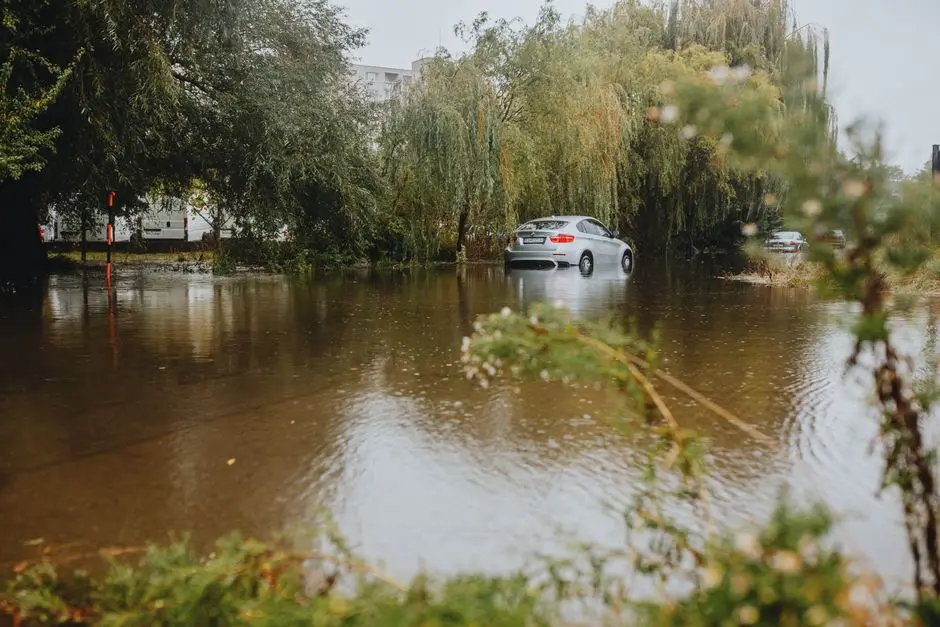
Your basement is flooding after heavy rain in West Valley City because the ground around your foundation is saturated and water is being pushed through the concrete by hydrostatic pressure - the weight of water in saturated soil pressing against your walls and floor. That pressure finds every crack, cold joint, and pipe penetration. The second most common reason is a sump pump that lost power or clogged at the exact moment you needed it.
West Valley City sits on a mix of clay-heavy soils and older storm infrastructure, so a 30-minute downpour can overwhelm drainage fast. This post breaks down the six causes we see most often, what to do in the first hour, and how to stop it from happening again.
The Short Answer: Hydrostatic Pressure and Saturated Soil
Why is my basement flooding after heavy rain in West Valley City is a question about water pressure, not just water volume. When rain falls faster than the soil can absorb it, the water table rises. That water pushes against your foundation from all sides. Concrete is porous - it absorbs moisture and transmits it inward. Once the soil around your home is fully saturated, typically after 1.5 to 2 inches of rain in a short window, the pressure is enough to force water through hairline cracks you never noticed.
That is why your basement can stay dry during a light drizzle but flood during a 45-minute thunderstorm. The soil reaches saturation, and the pressure does the rest.
Why West Valley City Basements Flood More Than Neighbors Think
West Valley City has specific conditions that make basement flooding after heavy rain more likely than in many other Salt Lake Valley cities. The soil here is heavy in clay, which drains slowly. Once clay is saturated, it holds water like a bowl. The city also has areas where the storm sewer system was built decades ago and was not sized for the intensity of rain we have seen in recent years.
Older neighborhoods - especially those with homes built before 1980 - often have foundation drains that have collapsed or clogged with roots. Those drains were supposed to carry groundwater away from the footing. When they fail, water has nowhere to go but inside.
We also see a lot of window wells that act like funnels. If the well fills with debris or the drain at the bottom is blocked, water pours through the window frame directly into the basement. That is one of the fastest ways to get 6 inches of water on your floor.
The 6 Most Common Causes of Basement Flooding in West Valley City Utah
These are the causes our technicians find most often when we respond to Basement Flood Cleanup west valley city UT calls after a storm. Each one has a different fix, so identifying the source matters before you spend money on the wrong solution.
1. Hydrostatic Pressure Through Foundation Cracks
This is the number one cause. Water in saturated soil pushes through cracks in the wall, the cove joint where the wall meets the floor, and any unsealed pipe penetration. You will see water seeping in a thin line or a slow trickle, not a gush. It usually appears within 12 to 24 hours after the rain stops, as the water table peaks.
2. Sump Pump Failure
A sump pump that is more than 7 years old has a higher failure rate. The float can stick, the impeller can clog with sediment, or the check valve can fail. If your power goes out during the storm, a pump without a battery backup is useless. We see this constantly in West Valley City - the storm knocks out power, and the pump that was supposed to protect the basement is dead.
3. Window Well Overflow
Window wells without covers collect leaves, lawn clippings, and trash. The drain at the bottom clogs. During a heavy rain, the well fills up in minutes and water pushes through the window seal. If your window well is more than 12 inches deep and has no cover, this is a real risk.
4. Failed or Clogged Foundation Drains
Homes built before 1980 often have clay or orangeburg foundation drains that have collapsed. Even newer homes can have drains clogged with roots or silt. When the drain fails, groundwater has no path away from the footing, so it rises against the foundation.
5. Poor Grading and Downspout Discharge
If the ground slopes toward your house instead of away from it, every rainstorm sends water to your foundation. Downspouts that discharge within 3 feet of the foundation make it worse. The standard is to extend them 6 to 10 feet away from the wall.
6. Sewer Backup
Heavy rain can overwhelm the municipal sewer system. When that happens, water can back up through your floor drain or basement toilet. This is not groundwater - it is sewage, and it requires professional Sewage Backup Cleanup west valley city UT because of the bacteria and pathogens involved.
What to Do When Your Basement Floods After a Storm in West Valley City
When your basement floods after a storm in West Valley City, the first hour matters more than anything else you do that week. Mold can begin growing on wet drywall and carpet within 24 to 48 hours. Here is the sequence we recommend.
- Safety first. If water is near outlets, the electrical panel, or appliances, do not step in. Turn off power at the breaker from a dry location if you can reach it safely.
- Stop the source if possible. If it is a burst pipe or a failed sump pump, shut off the water or unplug the pump. If it is groundwater, you cannot stop it - focus on removal.
- Document everything. Take photos and video of the water level, damaged belongings, and the source. Your insurance adjuster will need this.
- Remove standing water. A wet/dry shop vac can handle small amounts. For anything over 1 inch, call for Water Extraction west valley city UT - we have truck-mounted units that remove hundreds of gallons in minutes.
- Move wet items out. Cardboard boxes, rugs, and furniture should be moved to a dry area. Do not leave wet items on the floor.
- Start drying. Fans and a dehumidifier help, but they cannot dry a saturated structure. Professional Structural Drying west valley city UT uses industrial air movers and dehumidifiers to dry the framing, drywall, and subfloor.
How to Stop Basement Flooding After Heavy Rain in West Valley City
How to stop basement flooding after heavy rain in West Valley City starts with redirecting water away from your foundation before it ever reaches the walls. You cannot control the rain, but you can control where it goes.
- Extend downspouts 6 to 10 feet from the foundation. This is the cheapest, most effective fix. A $15 downspout extension can prevent thousands in damage.
- Regrade the soil around your foundation. The ground should slope away at a rate of 6 inches over the first 10 feet. If it slopes toward the house, add soil to create a positive grade.
- Install or repair window well covers. A clear polycarbonate cover keeps debris out and lets light in. Make sure the drain at the bottom of the well is clear.
- Test your sump pump every spring. Pour a bucket of water into the pit and watch the pump kick on. If it hesitates or runs slowly, replace it. A new pump costs $150 to $400 installed.
- Add a battery backup to your sump pump. Power outages are common during West Valley City thunderstorms. A backup system runs $300 to $600 installed and buys you 6 to 10 hours of protection.
- Seal foundation cracks with hydraulic cement or epoxy. This stops the trickle, but it does not relieve the pressure. If you seal cracks without addressing drainage, water will find another path.
- Consider a French drain or interior drainage system. These are bigger investments - $3,000 to $8,000 - but they solve chronic groundwater problems permanently.
If you want a professional assessment of where water is entering, our Water Damage Inspection west valley city UT uses moisture meters and thermal imaging to find hidden intrusion points behind finished walls.
Common Mistakes Homeowners Make After a Basement Flood
The biggest mistake we see is waiting. Homeowners assume the water will dry on its own. It will not. Concrete and framing hold moisture for weeks, and mold starts colonizing within 48 hours. By the time you smell that musty odor, you already have a mold problem that costs far more to fix than the original water damage.
Other mistakes:
- Using a shop vac and calling it done. A shop vac removes standing water but leaves the structure saturated. You need air movers and dehumidifiers to dry the walls and floor.
- Running a household fan. A box fan moves air but does not lower humidity. In a closed basement, it can actually spread moisture around.
- Throwing away damaged items before documenting them. Your insurance claim needs evidence. Photograph everything before you toss it.
- Not checking for hidden moisture. Water wicks up drywall and into insulation. If you only dry the floor, the walls stay wet and mold grows behind them.
- Ignoring the source. If you pump out the water but never fix the grading, the sump pump, or the foundation crack, the next storm will flood you again.
When to Call a Professional for Basement Flooding in West Valley City
Call a professional when the water is more than 1 inch deep, when it is sewage-contaminated, when you see mold, or when the flooding has happened more than once. Those are the situations where DIY efforts cost more in the long run.
At West Valley RestorePro, we handle the entire process: emergency extraction, structural drying, mold prevention, and repairs. We also work directly with your insurance adjuster to document the damage and justify the claim. If you are not sure whether you need help, call us and describe what you see. We will tell you honestly whether it is a DIY job or a professional one.
Frequently Asked Questions
Why does my basement flood after heavy rain in West Valley City?
Your basement floods because saturated soil creates hydrostatic pressure that pushes water through foundation cracks, or because your sump pump failed, or because a window well overflowed. In West Valley City, clay-heavy soil and older storm drains make these three causes especially common after intense rain.
How do I prevent basement flooding in West Valley City UT?
Extend downspouts 6 to 10 feet from the foundation, regrade soil to slope away, install window well covers, and test your sump pump every spring. Add a battery backup for power outages. These steps cost $200 to $1,000 total and prevent most flooding.
Is basement flooding after rain covered by insurance in West Valley City Utah?
Standard homeowners insurance usually does not cover groundwater flooding. It covers sudden pipe bursts and appliance failures. You need a separate flood insurance policy through FEMA or a private insurer for rain-driven flooding. Check your policy before the next storm.
Who do I call for basement flooding in West Valley City?
Call a licensed water damage restoration company that offers 24/7 emergency response. West Valley RestorePro handles extraction, drying, and mold prevention. We work with your insurance and can be on-site within 60 minutes for emergencies.
How long does it take to dry a flooded basement?
Professional drying typically takes 3 to 5 days with industrial air movers and dehumidifiers. The exact time depends on how much water entered, what materials got wet, and the humidity level. We monitor moisture daily and do not stop until readings are normal.
Get Help with Water Damage Restoration in West Valley City
If your basement is flooded right now, do not wait for it to dry on its own. Our team provides Water Damage Restoration west valley city UT with 24/7 emergency response, and we handle everything from extraction to final repairs.
Call West Valley RestorePro at (385) 513-0450. We will be on-site fast, stop the damage from spreading, and get your basement dry and safe again.