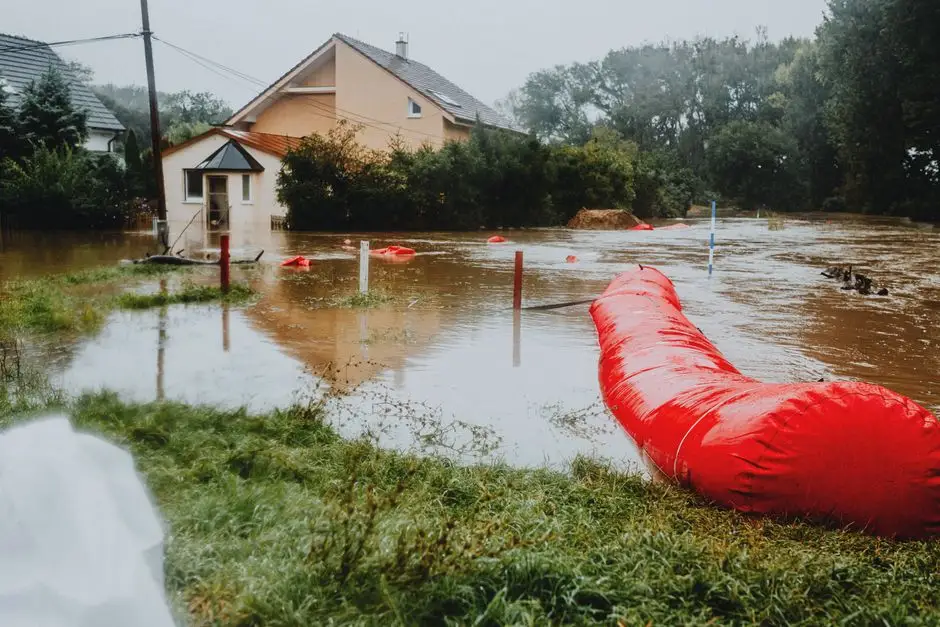
Water extraction vs structural drying which does your home need comes down to one thing: extraction removes the standing water, and structural drying removes the moisture that is left inside your walls, floors, and framing. Almost every water damage job in West Valley City needs both, in that order. Extraction alone leaves wet material behind that grows mold within 24 to 48 hours. Drying alone, without pulling the water out first, just circulates humid air through a soaked house.
Here is how to tell which phase your home is in, how long each one takes, what it costs in 2026, and the mistakes we see homeowners make when they try to handle it themselves.
The short answer: extraction first, drying second
Water extraction is the physical removal of standing water and saturated material using pumps, wet vacuums, and weighted extraction tools. Structural drying is the controlled process of pulling residual moisture out of building materials with air movers, dehumidifiers, and daily moisture readings until everything hits dry standard.
Think of it like a wet towel. Extraction is wringing it out. Drying is hanging it up with a fan on it. If you skip the wringing, the fan just blows damp air around the room.
Here is the sequence we follow on nearly every job:
- Stop the source. Shut off the supply line, the main, or the appliance.
- Extract. Pump and vacuum standing water out of carpet, pad, and hard surfaces.
- Remove unsalvageable material. Saturated pad, baseboards, and drywall that has wicked water up past the flood cut.
- Dry. Air movers and dehumidifiers run 3 to 5 days with daily moisture checks.
- Verify. We confirm dry standard with a penetrating meter and thermal camera before we pull equipment.
If you are staring at an inch of water in your basement right now, that is a 24/7 emergency water extraction west valley city Utah call, not a fan-and-wait situation.
What is water extraction and when do you need it?
Water extraction is the first-phase service that physically removes standing water and heavily saturated material from your home. You need it any time water is visible, pooled, or squishing underfoot.
Signs you need extraction right now:
- Standing water anywhere on a hard floor or in carpet
- Carpet that squishes when you step on it
- Water wicking up drywall more than a few inches from the floor
- Ceiling sagging or bulging from a roof or supply line leak
- A flooded basement after a sump pump failure or spring snowmelt
Extraction is the heavy-lifting phase. We use truck-mounted and portable extractors that pull water out of carpet and pad at a rate a shop vac cannot touch. A wet/dry shop vac holds 6 to 12 gallons. A truck mount pulls 12 to 15 gallons per minute and generates enough lift to pull water out of the pad and subfloor, not just off the surface.
For Category 2 or 3 water - anything from a toilet overflow, sewage backup, or groundwater intrusion - extraction also means removing contaminated material, not just drying it. That is why a professional water damage cleanup west valley city Utah crew treats those jobs differently than a clean supply-line leak.
What is structural drying and why can't you skip it?
Structural drying is the phase that removes moisture from the materials themselves - drywall, framing, subfloor, hardwood, and concrete. You cannot skip it, because extraction only gets the water you can see.
Here is what is still wet after extraction:
- The back side of drywall that wicked water up the paper facing
- Wood framing inside the wall cavity
- The subfloor under the carpet pad
- Concrete slab, which holds moisture for weeks without airflow
- Baseboards and door casings
We set up a drying system based on the size of the affected area. A typical 200 to 300 square foot room needs 4 to 6 air movers and one large dehumidifier. A finished basement of 800 square feet might need 10 to 14 air movers and two dehumidifiers running around the clock.
We check moisture content daily with pin and pinless meters. Dry standard for most building materials in this climate is 12 to 15 percent moisture content on a wood meter reading. We do not pull equipment until every affected material reads dry.
If you have ever had a leak behind a wall that you only found because of a musty smell months later, that is what happens when extraction happens but drying does not. At that point you are looking at mold removal west valley city instead of a drying bill.
Do I need water extraction or structural drying in West Valley City UT?
In West Valley City UT, you almost always need both, and the deciding factor is how long the water sat and what it touched. A clean supply-line leak caught in 20 minutes may need extraction and a short dry. A basement that took on groundwater overnight needs the full process.
Use this as a rough guide:
- Extraction only (rare): Small clean-water spill on a sealed hard floor, mopped up within minutes, no wall contact.
- Extraction plus short dry: Supply line leak on carpet, caught same day, no drywall saturation.
- Extraction plus full structural dry: Any water that reached drywall, subfloor, or framing, or sat longer than 24 hours.
- Extraction, dry, and rebuild: Flooded basement, sewage backup, or anything with contaminated water.
The reason this matters here is our building stock. A lot of the housing in West Valley City was built between the 1950s and the 1990s, which means a mix of slab-on-grade homes, finished basements with older drywall, and copper supply lines that are now 30 to 60 years old. Older copper pinhole leaks and galvanized pipe failures are two of the most common calls we run. You can read more about how we handle those on our water leak repair west valley city Utah page.
If you want a straight answer for your specific house, we start every job with a water damage assessment west valley city - thermal camera, moisture meters, and a written scope before any equipment comes off the truck.
How long does water extraction and structural drying take in West Valley City Utah?
Extraction takes 1 to 4 hours for a typical residential job. Structural drying takes 3 to 5 days, and up to 7 days for a flooded basement or a home with hardwood floors.
Realistic timelines we see:
- Small supply-line leak, carpet only: 2 hours extraction, 2 to 3 days drying.
- Washing machine or water heater leak on tile: 1 to 2 hours extraction, 2 to 4 days drying.
- Flooded finished basement: 3 to 6 hours extraction and demo, 4 to 6 days drying.
- Hardwood floor saturation: 2 to 4 hours extraction, 5 to 7 days drying, sometimes longer with floor mats.
- Category 3 sewage backup: 4 to 8 hours removal and disposal, then 4 to 6 days drying after disinfection.
Two things stretch the timeline in this valley. First, our dry summer air helps - we can often hit dry standard a day faster in July than in January. Second, our cold winters slow drying in unheated spaces like garages and crawl spaces, and frozen pipe jobs in January and February add thaw time before extraction can even start.
Spring is the other busy season. When the snowpack in the Oquirrhs melts fast, we run a lot of groundwater seepage cleanup west valley city calls from window wells and foundation cracks. That water is slow and persistent, which means longer drying times than a burst pipe.
What it costs in 2026
Typical 2026 pricing in the Salt Lake Valley runs $1,200 to $2,800 for extraction plus drying on a small to mid-size loss, and $3,500 to $8,000 or more for a flooded basement with demo and rebuild.
How the bill breaks down:
- Emergency extraction call: $500 to $1,200 depending on water volume and after-hours timing.
- Structural drying (per day): $350 to $700 for equipment and monitoring on a typical room.
- Material removal and disposal: $200 to $600 for carpet, pad, and drywall.
- Antimicrobial and disinfection: $150 to $500 for Category 2 or 3 water.
- Rebuild (drywall, paint, flooring): $800 to $4,000 depending on scope.
Most homeowner insurance policies cover sudden and accidental water damage, including the extraction and drying. They usually do not cover long-term seepage or neglect. We document the loss with photos, moisture logs, and a scope of work so your adjuster has what they need.
Common mistakes we see on West Valley City water jobs
The most expensive mistake is waiting. Every hour water sits, it wicks higher into drywall and deeper into the subfloor, and the drying bill grows with it.
Others we run into constantly:
- Renting a carpet cleaner and calling it done. A consumer extractor pulls surface water. It does not pull water out of the pad or subfloor, and it does not dry the wall cavity.
- Running box fans and opening windows in winter. In January, that pulls cold humid air into a warm house and can slow drying or cause condensation on cold surfaces.
- Pulling up carpet but leaving the pad. The pad is a sponge. If it is saturated, it comes out.
- Not cutting the drywall. Water wicks up drywall 12 to 24 inches in a typical flood. We cut a flood cut above the wet line so air can reach the wall cavity.
- Turning off the dehumidifier at night to save power. Drying is a 24-hour process. Shutting equipment down overnight adds a day to the job.
- Assuming it is dry because it feels dry. Drywall can feel dry to the touch and still read 25 percent moisture inside. That is how mold starts.
If you have had water sitting for more than 24 hours, or if the affected area is bigger than a single room, this is not a DIY job. We would rather you call us on day one than on day ten.
When to call a professional
Call a professional when water has reached drywall, subfloor, or framing, when the affected area is larger than about 100 square feet, or when the water is contaminated.
Specifically, call us if:
- Water came from a toilet, sewage line, or outside the home
- The leak ran overnight or while you were at work
- You can see water wicking up drywall or bubbling paint
- The floor feels soft or the baseboards are swelling
- You smell musty air, which usually means mold is already starting
- You have hardwood floors, which cup and buckle fast
West Valley RestorePro handles the whole sequence - extraction, drying, and the rebuild - so you are not coordinating three different contractors. We are a local crew, we know the housing stock here, and we can usually be on site the same day you call.
Frequently Asked Questions
What is the difference between water extraction and structural drying in West Valley City?
Water extraction physically removes standing water and saturated material with pumps and extractors. Structural drying removes the leftover moisture from drywall, wood, and concrete using air movers and dehumidifiers. Extraction takes hours; drying takes 3 to 5 days. You need extraction first, then drying.
Do I need water extraction or structural drying in West Valley City UT?
You need both in almost every case. Extraction alone leaves wet material that grows mold in 24 to 48 hours. Drying alone without extraction just circulates humid air. The only exception is a small clean-water spill on a sealed hard floor that you mopped up within minutes.
How long does water extraction and structural drying take in West Valley City Utah?
Extraction takes 1 to 4 hours on a typical home. Structural drying takes 3 to 5 days, and up to 7 days for a flooded basement or hardwood floors. We check moisture daily and do not pull equipment until materials read dry standard.
Can I skip water extraction and just dry in West Valley City?
No. Skipping extraction means your drying equipment is fighting standing water it cannot remove. Drying times double or triple, and the risk of mold and warped flooring goes up sharply. Extract first, then dry.
Does homeowners insurance cover extraction and drying?
Most policies cover sudden and accidental water damage, including extraction, drying, and often the rebuild. Long-term seepage and neglect are usually excluded. We document the loss with photos and moisture logs to support your claim.
Get help with Water Damage Restoration in West Valley City
Whether you are looking at an inch of water right now or a wall that still smells damp a week later, we can tell you in one visit which phase you need and what it will cost. Call West Valley RestorePro at (385) 513-0450 and we will get extraction and drying started the same day.