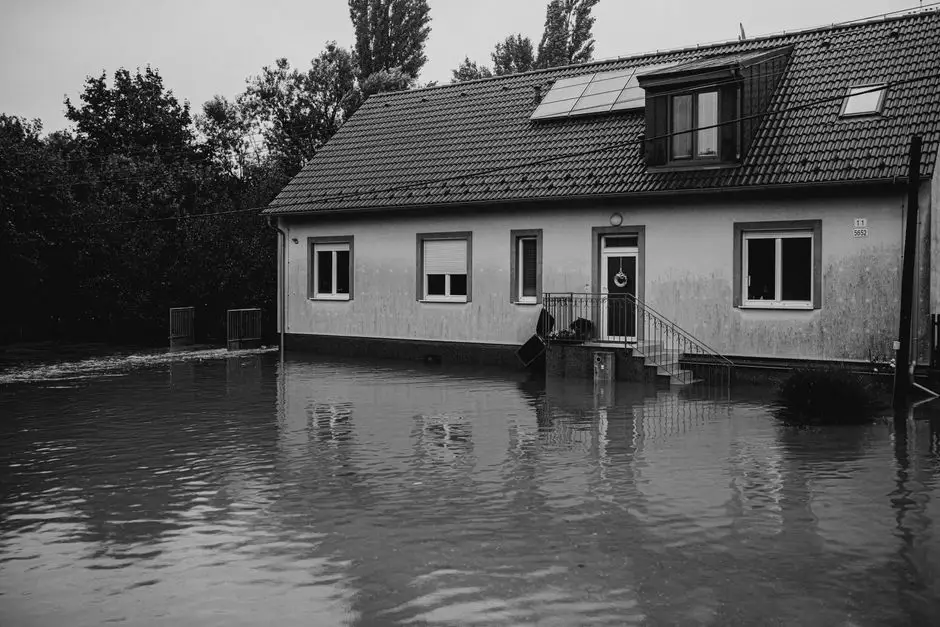
You dry out a flooded basement safely by getting standing water out within a few hours, then drying the structure - not just the air - to below 16% moisture content before mold has a chance to colonize. Mold can start growing on wet drywall and carpet in as little as 24 to 48 hours, so the clock matters more than any single tool you own. Below is the exact order of operations our technicians use in West Valley City, plus the drying times, equipment specs, and warning signs that tell you when a shop vac and a box fan will not be enough.
The 24-48 hour window that decides everything
Mold needs three things: moisture, organic material, and still air. Your flooded basement already has the first two the moment water touches drywall paper, wood studs, carpet backing, or cardboard storage boxes. The only variable you control is time.
At 70°F and 60% relative humidity - typical for a West Valley City basement in October - mold spores can germinate on a wet paper surface in roughly 24 to 48 hours. Once it roots into drywall, cleaning the surface does not remove it. That is why water damage mitigation service west valley city is a race, not a project. Every hour you spend deciding whether to call someone is an hour mold spends spreading.
Water damage restoration is the process of extracting standing water, drying structural materials to a measured moisture target, and treating affected surfaces so mold cannot return. It is not the same as mopping up and pointing a fan at the floor.
Step 1: Stop the water and make the basement safe
Before you touch a wet vacuum, kill the power to the basement at the breaker panel. Water and live outlets do not mix, and a flooded basement is the single most common place homeowners get shocked during cleanup. If the panel itself is in the basement and standing water is near it, stay out and call an electrician or your utility first.
Next, find the source and stop it. In West Valley City, most October and November basement floods come from one of four places:
- Sump pump failure - the float sticks or the discharge line freezes, and the pit overflows within an hour of a heavy rain.
- Window wells - a clogged drain or missing cover lets runoff pour straight against the foundation wall.
- Burst or frozen supply lines - a pipe in an unheated crawlspace or exterior wall splits, and you find out when the ceiling sags.
- Foundation seepage - hydrostatic pressure pushes groundwater through block walls after a long snowmelt or a two-inch rain.
If the water is coming from a sewage line - you will know by the smell and the dark gray color - stop. That is a Category 3 loss, and it needs sewage backup cleanup service west valley city with proper PPE and disinfection, not a wet vac and a mop.
Step 2: Remove standing water fast
Standing water is the easiest problem to solve and the one that buys you the most time. Get it out before you do anything else.
For anything under an inch, a wet/dry shop vac with a 12-gallon tank will pull roughly 10 to 12 gallons before it needs emptying. For deeper water - two inches or more across a 500-square-foot basement - you are looking at 600+ gallons, and a submersible pump moves that in 20 to 40 minutes instead of four hours.
Work from the farthest corner toward the drain or pump. Pull carpet and pad out immediately; saturated carpet pad holds water against the slab and will not dry in place. If the water came from a clean supply line, the carpet may be salvageable with professional drying. If it came from outside or a drain, it is gone.
This is the point where most do-it-yourself attempts stall. A shop vac gets the visible water, but it does nothing for the water that has already wicked 12 to 18 inches up the drywall or soaked into the bottom plate of your framing. That hidden water is what feeds mold.
Step 3: Dry the structure, not just the air
Drying a basement means drying four separate materials to a measured target, not running a dehumidifier until the room feels dry.
Here is what our technicians actually measure and the targets we work to:
- Drywall: below 1% moisture content on a pin meter, or under 16% on a non-penetrating meter. Above that, the paper is still food for mold.
- Wood framing and subfloor: 12-15% moisture content. New lumber ships at 15-19%, so a wet stud reading 28% has a long way to go.
- Concrete slab: within 3-5% of an unaffected reference area in the same home.
- Ambient air: below 50% relative humidity, held there continuously.
To hit those numbers, you need three things working at once: air movement, dehumidification, and heat. A single box fan and a $200 dehumidifier will not dry a 600-square-foot basement. A professional setup typically runs one or more LGR dehumidifiers pulling 80-130 pints per day, plus air movers placed every 10 to 16 feet along the wet walls, plus heat to keep the space at 80-90°F. That combination dries a typical West Valley City basement in three to five days.
If the water came in through the wall rather than a pipe, drying the room is only half the job. You also need to address why water is getting in. That is foundation water damage repair west valley city territory - sealing, grading, and drainage work that stops the next storm from undoing everything you just dried.
How long does it take to dry a basement in West Valley City?
Most flooded basements in West Valley City dry in three to five days with professional equipment, and five to ten days with consumer-grade fans and dehumidifiers - if they dry at all. The variables that move that number are how deep the water got, what materials were wet, and how fast extraction started.
A clean-water pipe burst that soaked carpet and a concrete slab is often dry in 72 hours. A Category 2 loss - washing machine overflow, sump pump failure with some soil intrusion - usually runs four to five days because the walls need longer. A sewage backup or any flood that pulled in groundwater takes five to seven days minimum, plus disinfection and, in many cases, removal of the bottom two feet of drywall.
Utah's dry climate helps. Our average indoor humidity in October sits around 40-50%, which is friendlier than a humid-climate basement. But do not let that fool you into skipping dehumidification. A wet basement generates its own humidity, and a closed-up space will sit at 80%+ until you mechanically pull that moisture out.
How do you prevent mold after a basement flood?
You prevent mold by drying every affected material to a measured target, not by spraying bleach on the visible wet spots. Bleach kills surface mold on non-porous materials, but it does nothing for spores already inside drywall paper or carpet backing, and it does nothing to stop new growth if the material is still wet.
The mold prevention checklist we use:
- Extract all standing water within the first few hours.
- Remove and bag any carpet, pad, or insulation that was submerged.
- Cut away drywall 12 to 24 inches above the visible water line so air can reach the wall cavity.
- Run air movers and dehumidifiers continuously - not on a timer, not overnight only.
- Measure moisture daily and do not stop until every reading hits target.
- Treat framing and slab with an antimicrobial, then verify with a moisture meter before closing walls.
If you smell that musty, earthy odor two weeks after the flood, the drying was incomplete. That smell is microbial volatile organic compounds - mold is already there. At that point you are looking at mold removal west valley city, which is a containment and removal job, not a cleaning job.
Common mistakes that turn a wet basement into a mold job
The mistakes we see most often in West Valley City basements are not dramatic. They are small decisions that add up to a mold problem three weeks later.
- Running fans without a dehumidifier. Air movers without dehumidification just circulate humid air. You need both, running together, for days.
- Judging dryness by touch. Drywall feels dry long before it is dry. A $40 pin meter is the cheapest insurance you can buy.
- Leaving carpet pad in place. Pad is a sponge. It will not dry under carpet, and it will grow mold against the slab.
- Closing the basement door. You need cross-ventilation and a path for the dehumidifier to dump warm, dry air. Sealing the space traps moisture.
- Turning off the equipment at night. Mold does not sleep. Drying equipment runs 24/7 until the job is done.
- Ignoring the source. If you do not fix the sump pump, the window well drain, or the grading, the next storm puts you right back here.
One more: do not assume your homeowner's policy covers groundwater. Most Utah policies cover sudden pipe bursts and appliance failures but exclude seepage and surface flooding. Call your adjuster before you start ripping out drywall so you know what documentation they need.
When to call a professional
Call a professional when the water is more than an inch deep, when it came from outside or a drain, when drywall or carpet was wet for more than 24 hours, or when you cannot get a moisture meter to read below 16% after three days of drying. Those are the conditions where mold becomes likely and where consumer equipment stops being enough.
Our team handles the whole sequence - extraction, structural drying, moisture verification, and mold prevention - so you are not guessing whether the basement is actually dry. We work across West Valley City and the surrounding west-side neighborhoods, and we can usually be on-site the same day you call. If you want the full scope of what we do, start with Water Damage Restoration west valley city UT.
Frequently Asked Questions
How long does it take to dry out a flooded basement in West Valley City?
Three to five days with professional equipment, five to ten days with consumer fans and dehumidifiers. Clean-water losses dry fastest; sewage or groundwater floods take longer because walls need to be opened and disinfected before they can dry.
How do I prevent mold after basement flooding in West Valley City UT?
Extract water within hours, remove wet carpet and pad, cut drywall above the water line, and run air movers plus a dehumidifier continuously until moisture meters read below 16% on drywall and 12-15% on framing. Surface cleaning alone will not stop mold.
Can I dry out my basement myself in West Valley City Utah?
Yes, if the water is under an inch, came from a clean supply line, and you can rent a commercial dehumidifier and air movers. If the water is deeper, came from outside, or sat for more than a day, DIY drying usually leaves hidden moisture that grows mold.
Who should I call to dry out my flooded basement in West Valley City?
Call a licensed water damage restoration company that measures moisture, not just one that pumps water. Ask whether they use LGR dehumidifiers, how they verify dryness, and whether they handle mold if it is already present.
Does homeowner's insurance cover a flooded basement in Utah?
Sudden pipe bursts and appliance failures are usually covered. Groundwater seepage, surface flooding, and neglected sump pump failures are usually excluded. Call your adjuster before demolition so you know what to document.
Get help with Water Damage Restoration in West Valley City
If your basement is wet right now, the fastest way to stop mold is to get the water out and the structure dry today. West Valley RestorePro handles flooded basements across West Valley City - extraction, structural drying, and mold prevention in one visit.
Call us at (385) 513-0450 and we will tell you over the phone whether you need a full drying setup or just a moisture check.